Table Of Content
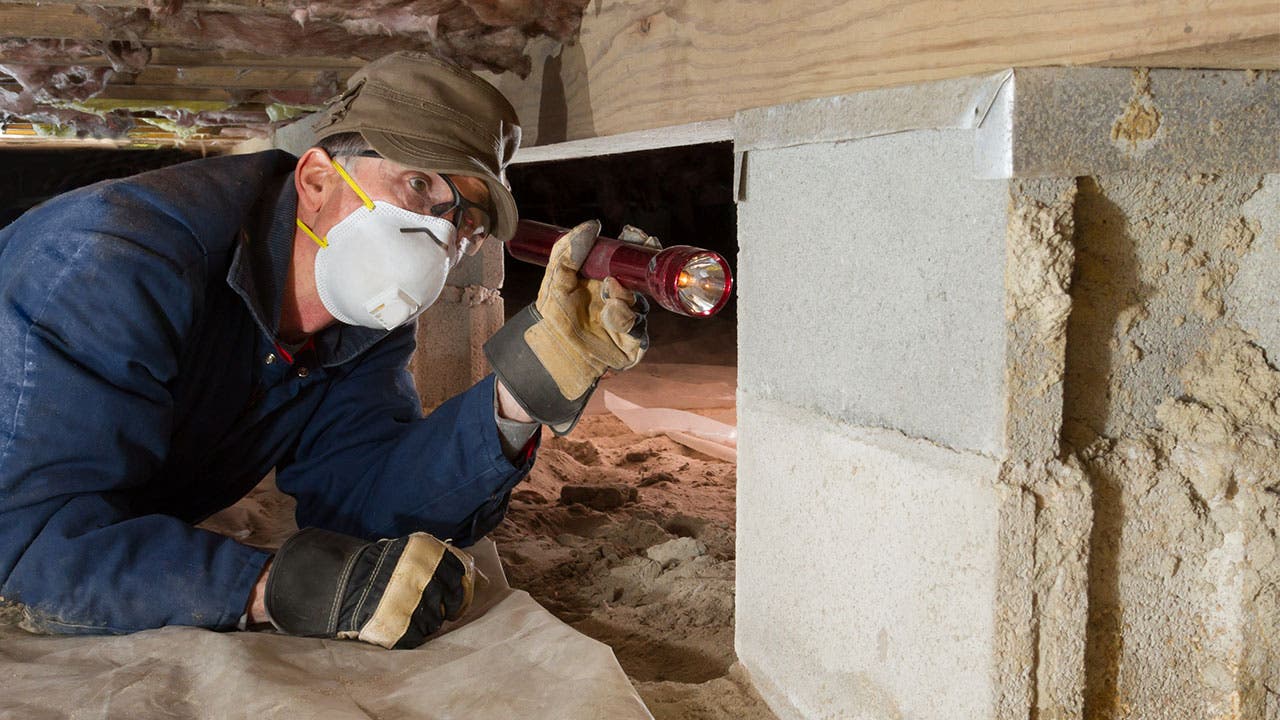
Its purpose is to identify problems that may impact the home’s value or an occupant’s safety. While the home inspector spends a lot of time inside the home, they’ll inspect the exterior as well. This includes checking for anything that looks suspicious or concerning around the ground level of the home. Inspectors will also assess any and all cracks, damage and rotting wood.
Addressing serious issues
If they don’t have E&O insurance, you may be held liable and may have to pay for correcting the issue. Online home inspector reviews can also be helpful when finding the right inspector. A licensed home inspector will examine the home to evaluate its overall condition for either a seller or a buyer. The home inspector will check for defects that can affect the standard of living of the next owner and disclose issues accordingly.

Discover what makes Elite Group different from other inspection providers.
These associations provide access to ongoing training and may also require inspectors to complete certification requirements. Certain associations, including ASHI, also run background checks on all new applicants. A certified home inspector is a professional who has met the necessary training, education and certification requirements to become a home inspector in their state. Each state sets regulations regarding certification or licensing for inspectors in their jurisdiction. To be licensed often means the inspector went through proper, accredited training, gained a certain amount of experience and passed an exam to demonstrate their knowledge. In most states, inspectors are legally required to be licensed or certified.
Repairs Pricer
The contingency requires the seller to allow the potential buyers to have a home inspection by a professional company. Legally, there are no mandatory home fixes after a home inspection. For example, they will often require defects, such as structural issues, building code violations, or safety hazards in areas like attics, chimneys, or furnaces to be repaired. A home inspection is a great way to learn more about the home you are buying – and it safeguards you from getting stuck with any major repairs you didn't notice when you made the offer. Learn more about what fixes are mandatory after the home inspection. When the seller accepts your offer to purchase the home, the agreement becomes a pending sale.
San Francisco Building Inspector Inspected Own Home - The San Francisco Standard
San Francisco Building Inspector Inspected Own Home.
Posted: Mon, 06 Nov 2023 08:00:00 GMT [source]
While both professionals delve into the intricacies of homes, their roles differ. Home inspectors assess and report on a property’s condition. Expect your inspector to refrain from providing repair estimates or renovation tips. While inspectors play a pivotal role in the real estate process, understanding their limitations is crucial. Sellers may order a pre-inspection before listing to get a jump on repairs and avoid negotiations with buyers.
Home Inspections are Essential in Making Informed Decisions
Hubert Miles is a licensed home inspector (RBI# 2556) with more than two decades of experience in inspection and construction. Since 2008, he has been serving South Carolina through his company, Patriot Home Inspections LLC. As a Certified Master Inspector, Hubert is dedicated to providing his expertise in home inspections, repairs, maintenance, and DIY projects. If major defects are discovered, you gain leverage in price negotiations.
What Fixes Are Mandatory After a Home Inspection?
You, the home buyer, will most likely be responsible for professional home inspection costs. Consult with your real estate agent to see if they have any inspectors they recommend. You can also ask family and friends or do research on your own to find someone to perform a thorough inspection.
What Don’t Home Inspectors Look For?
A home inspector is a licensed or certified professional who looks at and documents the condition of a residential property, typically before it is sold. A home inspector inspects the home and provides a report of any issues, while an appraiser determines the property’s current value. When you're hunting for your dream house it can be exciting, but the hunt for the perfect property is just one part of the process. When you find something you're interested in, make an offer, and go under contract, the next thing you'll want to do is schedule your home inspection. Thirty-four states require inspectors to pass a written National Home Inspector Examination; find out here whether your state offers certification. If your state requires licensing for home inspectors, ask to see proof of licensing from the inspectors you're considering hiring.
Are There Drainage Issues I Should Be Concerned About?
Most of your buyers will be purchasing a house on a budget. Your clients will want to find out upfront how much their home inspection will cost, right along with what they get for that money. When your clients are interviewing home inspectors, make sure they’re not shy when asking about the cost. On average, your clients can expect to pay anywhere from $400 to $650 for a home inspection. But you can narrow the range even more for your clients with some local research.
Spotting major issues beforehand allows you to discuss potential price reductions or request repairs. Some “AS IS” transactions may waive the inspection contingency. You can’t exit the purchase contract based on the inspection findings. Home inspections offer a deep dive into a property’s condition but have some limitations. So, while they spot visible issues, hidden problems might remain undetected.
She later sends an electronic copy of the entire inspection along with photos. But by tagging along with your inspector, you can get the highlights of the report by just understanding all the systems. Those items include plumbing, foundation, roof, attic, fireplaces, air conditioner and furnace, attic and appliances, along with a general look at the interior and exterior of the home. “The inspection will include a comprehensive overview of all the major mechanical and structural systems of the home,” she says. Home Advisor says it costs an average about $315 to hire a home inspector. But condos and homes under 1,000 square feet can cost as little as $200.
Arm them with this list of post-inspection questions to ask to make sure they feel comfortable. Your clients should also ask their home inspector about the type of plumbing in the home. Polybutylene is a type of plastic resin used for piping in homes from 1978 until it was banned in 1995 after many cases were reported of pipes bursting and causing major damage.
If you waive the inspection and uncover issues in your new home after you’re officially the homeowner, the repairs will be your responsibility. Home inspectors are trained professionals but that doesn’t mean they all see the same problems the same way. You want to choose a reputable inspector who will look out for your best interests but also understands your wants and needs for the home. Ask your real estate agent to recommend a few inspectors they have worked with in the past, people they trust to give you a fair and honest report.
An emergency order − when a restaurant is closed by the inspector − is based on an immediate threat to the public. Ask about the foundation of the home and what to watch for in the coming years. The inspector will likely point out some cracks either in the walls, driveway, or the exterior of the home and tell your clients to keep an eye on it over the coming years. “Water is the driving force of all nature,” or at least that’s how Leonardo da Vinci saw the beautiful yet powerful strength of it.
Nick Gromicko says there is a way to make sellers happy while protecting yourself. “If they say, ‘this person doesn’t like his job and didn’t show me anything,’ that’s bad,” she says. He explained everything and answered any questions we had. Only bummed that the swabs from the mold he found were going to be an additional charge to send them to the lab.
Don’t worry too much about the length of the inspector’s list of problems; instead, pay attention to the severity of the problems. You may choose to give the seller, or the seller’s Realtor, a list of minor issues to fix. Getting the owner to fix a leaky faucet, replace a missing doorstop, or re-attach a downspout will shorten your to-do list after moving in. Chances are, you recently prepared your home for showing and it’s already in close-to-perfect condition. If a shingle has slipped from the roof or a pane of glass has cracked, get them fixed in advance. Don’t be concerned with the number of defects listed on your report — many will be so minor you won’t bother fixing them.


No comments:
Post a Comment